


Nike's new 3D-printed shoe patent revealed: From foot scanning to smart lacing, customized footwear enters the era of precision.
2025-11-08


Nike's new 3D-printed shoe patent revealed: From foot scanning to smart lacing, customized footwear enters the era of precision
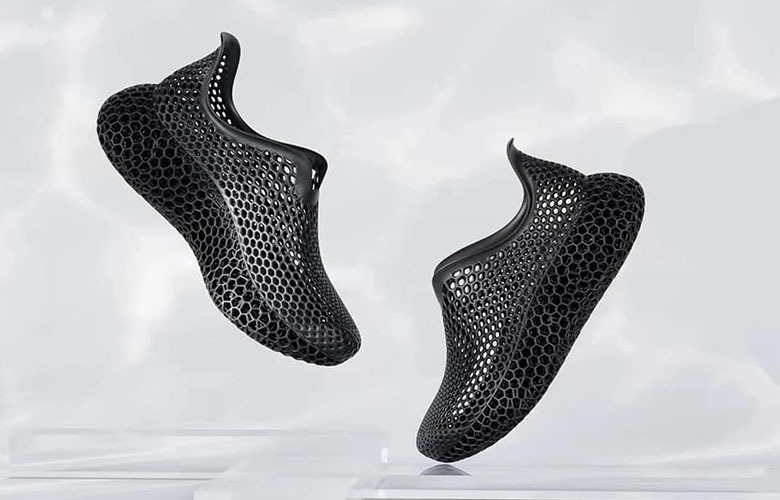
In the ever-evolving world of athletic footwear, Nike has once again pushed the boundaries of innovation with its latest patent for a 3D-printed shoe. This cutting-edge development promises to revolutionize the way consumers experience footwear, offering unprecedented levels of customization and comfort. With features like foot scanning technology and smart lacing systems, Nike is paving the way for a future where every step can be tailored to individual needs.
The concept of personalized footwear is not entirely new; however, Nike’s approach integrates advanced technologies that elevate the customization process to new heights. The patent outlines a system that begins with a detailed foot scan, capturing the unique contours and dimensions of the wearer’s feet. This scanning process allows for the creation of a precise 3D model, ensuring that the shoe fits like a glove. The significance of this cannot be overstated—proper fit is crucial for both performance and comfort, and many athletes have long struggled with shoes that do not accommodate their specific foot shapes.
Once the foot scanning is complete, the design phase can commence. The 3D-printing technology allows Nike to produce shoes that are not only tailored to the individual but also incorporate innovative materials and structures. This flexibility means that the footwear can be designed to enhance performance for various sports or activities, whether it’s running, basketball, or casual wear. The ability to print shoes on-demand reduces waste and allows for rapid prototyping, meaning that consumers can receive their custom shoes in a fraction of the time it would take through traditional manufacturing processes.
Another groundbreaking feature of Nike’s patent is the incorporation of smart lacing systems. These systems are designed to automatically adjust the fit of the shoe based on the wearer’s movements and preferences. Imagine a shoe that can sense when you are running and tighten itself for added support, or loosen when you are walking for comfort. This level of adaptability not only enhances performance but also contributes to injury prevention by ensuring that the shoe provides optimal support during different activities.
Moreover, the integration of smart technology extends beyond just lacing. Nike is exploring the potential of connecting these shoes to smartphones or wearable devices. This connectivity could allow users to monitor their performance metrics, track their foot health, and receive personalized recommendations for improvement. For athletes, having access to real-time data can be a game-changer, providing insights that were previously unavailable.
The environmental implications of this new technology are also noteworthy. Traditional shoe manufacturing processes can be wasteful, often leading to excess materials and unsold inventory. By utilizing 3D printing, Nike can create shoes that are made to order, significantly reducing waste. Additionally, the potential for using sustainable materials in the printing process aligns with the growing consumer demand for eco-friendly products. As consumers become more conscious of their environmental impact, Nike’s commitment to sustainability through innovation could position the brand as a leader in responsible manufacturing.
However, the introduction of such advanced technologies also raises questions about accessibility and cost. While customization and precision are appealing, there is a concern that these high-tech shoes may come with a hefty price tag, making them less accessible to the average consumer. Nike will need to strike a balance between offering cutting-edge products and ensuring that they remain affordable for a broad audience.
Furthermore, as with any technological advancement, there is the potential for unforeseen challenges. The reliance on digital technologies for foot scanning and smart lacing systems may pose issues related to data privacy and security. Nike will need to ensure that user data is protected and that consumers feel confident in the safety of their personal information.
In conclusion, Nike's new 3D-printed shoe patent represents a significant leap forward in the world of customized footwear. By combining foot scanning technology, advanced 3D printing, and smart lacing systems, Nike is not only enhancing the fit and performance of athletic shoes but also setting the stage for a more sustainable future in footwear manufacturing. As the company navigates the challenges of cost, accessibility, and data security, it will be fascinating to see how these innovations unfold in the marketplace. The era of precision in customized footwear is just beginning, and with Nike at the forefront, the possibilities are endless.
As consumers await the arrival of these groundbreaking shoes, one thing is clear: the future of footwear is not just about style or brand; it’s about personalization, performance, and a commitment to sustainability. With every step, Nike is redefining what it means to wear a shoe, making it a true extension of the individual. The journey towards perfectly customized footwear is well underway, and Nike is leading the charge into this exciting new era.
About Us
Emake3D specializes in the R&D and production of medical high-precision 3D printing equipment and new materials, serving the fields of oral medical care, jewelry, industrial prototypes, etc., and provides professional and mature overall application solutions for the above industries.
Contact Us
Add: 3rd Floor, Building 3, No. 20-2, Longling South Road, Pingdi Sub-district, Longgang District, Shenzhen
HotLine: +86 135 5495 1300
E-mail: official@emake3d.com
Related News








Message
SEO
Powered by: CEglobal